Writing from a Tower Town: Turning Local Landmarks into Story Prompts
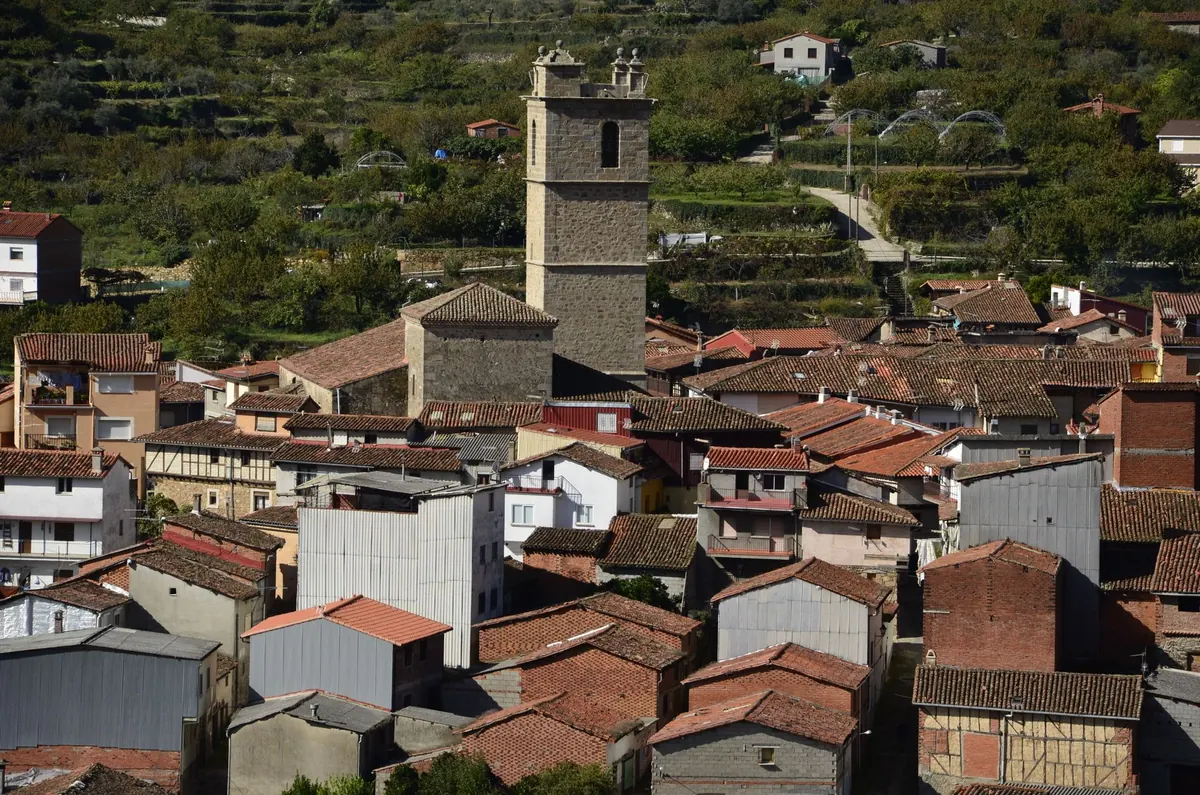
Every town has a skyline, even when it pretends not to. Here, the tower does the talking first: it interrupts the roofs, throws a shadow across the square, and gives strangers a direction to walk toward. That is useful for fiction. A landmark is not a postcard. It is a pressure on the people below it. The same is true of a cracked step, a street too narrow for two cars, or the one bench everyone avoids. These places are not merely scenery. They are fixed points that make people behave differently: they lower their voices under the clock, take the long way around the square on market day, or check the tower before deciding whether to hurry. The exercises below turn those local details into work you can finish.
The Tower Is a Point of View
Begin with the tower because it is already a narrator. It sees without being seen, or it tries to. A tower implies watching, waiting, defending, signaling, and keeping records. Choose one of those verbs and let it shape a voice. A watchman who has not seen anything unusual for years is a different story from a child who climbs the stairs on a dare. The building stays the same; the point of view changes the weather.
The tower also gives you a natural hierarchy. Someone is at the top, someone is at the base, and someone is on the stairs between them. That arrangement is already a story about access and authority. Who has the key? Who is allowed to climb? Who has never been inside but looks up every day? A landmark becomes useful when you stop describing it and start asking who is excluded from it.
- From the top. Write a paragraph in first person as someone looking down. Name four things they can see and one thing they deliberately avoid looking at. Do not explain the avoidance yet. Let the reader feel the gap.
- From the base. Write in third person about a person who has lived in the tower’s shadow for years. What do they no longer notice? What do they still check every morning? Give them one small ritual connected to the tower, such as listening for the bell before they open the shop or glancing at the clock before they lock the door.
- From the stairwell. Write a scene in which two people meet on the stairs. They cannot leave until one of them says the real thing. Choose the landing where it happens. Keep the real thing under twenty words.
The tower also gives you scale. A private argument becomes public under the clock. A rumour travels faster when everyone can see who is walking toward whom. A celebration feels official when it happens in the square beneath the tower, and a humiliation feels larger for the same reason. If your town has no tower, use a bell tower, a water tank, a clock face, or the highest window you know. The principle holds: a vertical landmark turns horizontal life into a story about who is above, below, and inside the frame.
The Square, the Step, and the Bench
The tower is the obvious prompt, but the smaller landmarks are often more useful. A tower invites symbolism; a cracked step invites behaviour. The best local details are the ones people have learned to negotiate without discussing. They are the places where the town’s rules become physical.
- The cracked step. Write a scene where someone trips or avoids it. What does the step know? Who has complained about it? Who repaired it badly and why? Let the step cause a small delay that changes the direction of the scene.
- The narrow street. Two characters meet where neither can pass without yielding. Write the negotiation. Use very little dialogue. Show who steps back first and what that costs them.
- The avoided bench. Write three reasons it is avoided, only one of which is true. Then let a character sit there anyway. The story begins when someone else approaches.
- The square. Choose one hour of day. List five sounds and two smells. Then write a paragraph in which one character hears the wrong thing—a name, a bell, a laugh—and reacts before checking.
Choose the landmark that irritates you. That irritation is a sign of unfinished business. A postcard is finished; a story needs friction. If the landmark already feels complete and charming, break it a little. Make the clock five minutes fast. Put a locked door where there should be an entrance. Let the bench face away from the view everyone claims it was built for.
A landmark becomes a prompt when it still has a job to do.
Walk It, Map It, Then Break It
Before you write the scene, visit the landmark on foot. Notes taken from memory drift toward the generic. Notes taken in place keep the awkward details: the handrail that wobbles, the corner where the wind hits, the patch of pavement that stays wet after rain. Walk it twice if you can—once at a busy hour and once when it is empty. The same place will give you two different stories.
- Walk it twice. Note what changes when the crowd disappears. What sounds become audible? What does the building seem to be waiting for?
- Draw a crude map. Mark entrances, blind spots, waiting places, and escape routes. Stories need exits. A landmark with only one way in and out will push your scene toward confrontation or comedy, depending on how you use it.
- Remove one assumption. If the tower is always open, close it. If the step is cracked, make it newly repaired. If the bench is avoided, put someone asleep on it. The smallest change can release a scene.
Then write a scene that uses only one landmark detail. Do not include the whole town. Let the tower appear as a shadow across a character’s hands, or as a bell heard through a closed window. This keeps local detail from turning into tourism. The reader does not need a guided tour; they need the feeling that this place has been lived in long enough to develop habits.
Turning Notes into a Draft
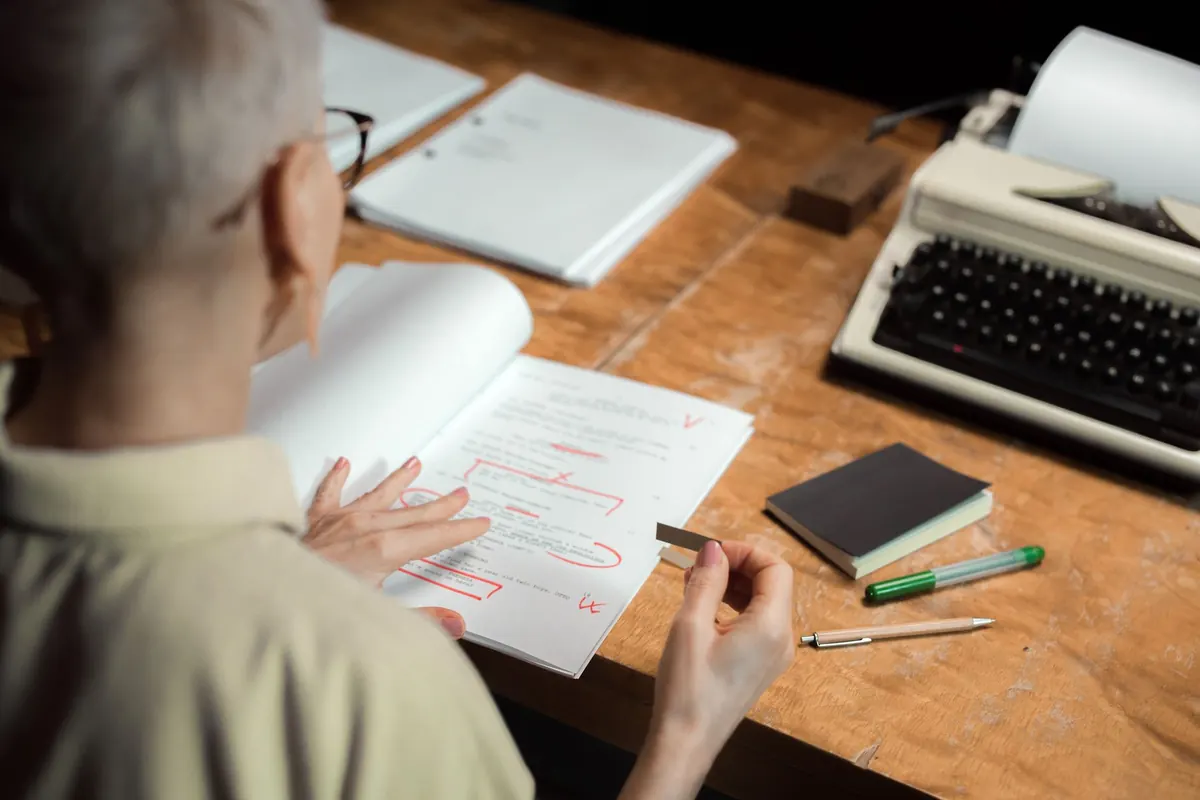
Prompts are only useful if they produce pages. Once you have chosen your landmark and point of view, give yourself a container: twenty minutes, five hundred words, one scene. Do not try to explain the town. Put a person in the place with a reason to be there.
- Start with a person who has business there. Not a tourist. Someone delivering, cleaning, waiting, locking up, or looking for someone who is late.
- Give them a deadline. Before the bell rings. Before the owner returns. Before the rain reaches the square. A deadline turns description into action.
- Use one landmark fact. The clock is fast. The step is cracked. The bench faces the wrong way. One fact is enough to anchor the scene.
- End with a change in the landmark or the person. Not necessarily dramatic. Someone notices the shadow has moved. Someone finally sits on the avoided bench. Someone takes the stairs instead of the lift.
If the draft stalls, return to the tower and ask what it would notice. Not what it symbolizes—what it would actually see from that height. A figure crossing the square twice. A light left on. A car parked where no car should be. That kind of concrete observation is usually enough to restart the scene.
A Short Revision Checklist
When you revise, check whether the landmark is doing real work or merely decorating the page. A useful local detail should change how a character moves, speaks, waits, or decides. If you could replace it with any other building without changing the scene, it is probably still a postcard.
- Is the landmark doing something to the characters, not just standing behind them?
- Does the point of view know something the reader does not yet know?
- Have you used at least two senses beyond sight?
- Is there a concrete detail that could only belong to this town?
- Does the ending return to the landmark in a changed way?
- Have you cut every sentence that could appear in a guidebook?
Write the landmark as a place where something is about to be decided.
That is the advantage of writing from a tower town. The tower, the step, the square, and the avoided bench are already holding pressure. Your job is not to invent a more interesting place. Your job is to put someone under the shadow, on the stairs, or beside the cracked step at the moment when they can no longer pretend the landmark is just scenery.
Photo: Michel Meuleman / Pexels